From Licensed Pharmacy to Your Front Door: A Transparent Look at How Your Hair Loss Prescription Travels Safely
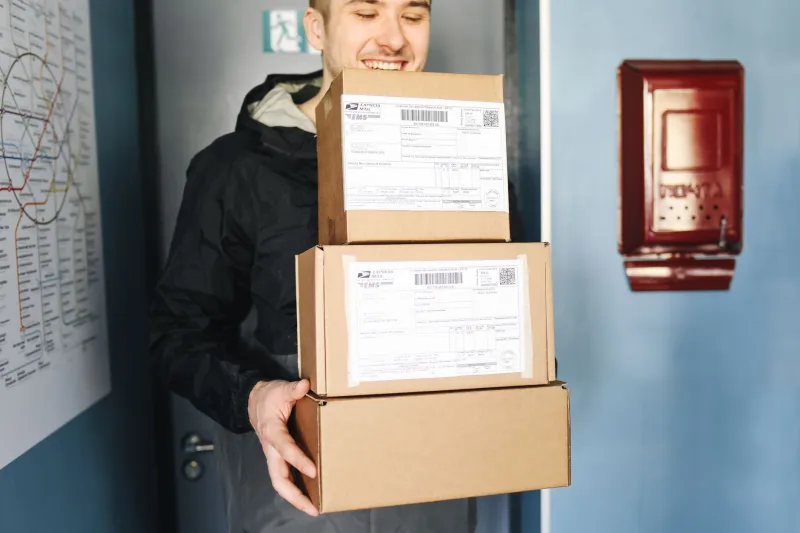
For patients managing androgenetic alopecia or other forms of hair loss, receiving a prescription is only the beginning. Whether you are starting finasteride, minoxidil, or a combination regimen, the integrity of your medication depends not just on the drug itself, but on every step of the supply chain that delivers it to you. Yet most patients never think to ask what actually happens after they click "place order."
At PropeciaRx, we believe transparency is part of responsible care. Below, we break down the full journey your prescription takes — from the moment it is verified to the moment it arrives at your home — and explain why each stage matters for your safety, your privacy, and your treatment outcomes.
Step One: Prescription Verification by a Licensed Pharmacist
Before a single pill is counted or a bottle is labeled, every order processed through a legitimate online pharmacy must pass through pharmacist review. This is not a formality. Licensed pharmacists are trained to identify drug interactions, flag dosing irregularities, and confirm that the prescription was issued by a verified, state-licensed prescriber.
In the United States, this step is governed by state pharmacy boards and, at the federal level, by the Drug Enforcement Administration (DEA) and the Food and Drug Administration (FDA). Pharmacies operating outside these regulatory frameworks — many of which are based overseas and market aggressively to American consumers — frequently skip this verification entirely. The result can be counterfeit medications, incorrect dosages, or drugs that have been stored improperly long before they reach your hands.
When you choose a pharmacy that is verified by the National Association of Boards of Pharmacy (NABP) or displays the VIPPS (Verified Internet Pharmacy Practice Sites) seal, you are ensuring that this critical gatekeeping step is not being bypassed.
Step Two: Sourcing and Authenticity of the Medication
Once a prescription clears pharmacist review, the dispensing process begins — and this is where the question of drug authenticity becomes central. Reputable pharmacies source their medications exclusively from FDA-registered manufacturers and licensed wholesale distributors. This means the finasteride or minoxidil you receive has been produced under current Good Manufacturing Practice (cGMP) standards, which govern everything from ingredient purity to tablet uniformity.
Counterfeit hair loss medications are a documented problem in the online marketplace. A 2020 analysis by the FDA found that a significant proportion of medications purchased from unverified online sources contained incorrect active ingredients, subtherapeutic doses, or harmful contaminants. For a medication like finasteride, where precise dosing directly affects both efficacy and side effect profile, this is not a trivial concern.
Asking a pharmacy where it sources its medications — and whether it can provide documentation of that sourcing — is a reasonable and appropriate question for any patient to raise.
Step Three: Storage Conditions During Fulfillment
Medications are not inert objects. Temperature, humidity, and light exposure can all degrade active pharmaceutical ingredients over time, reducing a drug's potency or, in some cases, altering its chemical profile in ways that are difficult to detect without laboratory analysis.
Reputable pharmacy fulfillment centers maintain climate-controlled environments that comply with United States Pharmacopeia (USP) storage standards. For most oral hair loss medications, this means storage at controlled room temperature — typically between 68°F and 77°F — with protections against moisture and direct light.
Patients ordering medications during extreme weather seasons should also consider whether their chosen pharmacy uses insulated or temperature-regulated packaging for transit, particularly in regions where summer heat or winter cold can compromise package contents during last-mile delivery.
Step Four: Discreet Packaging — What It Means and Why It Matters
Privacy is a legitimate and often underappreciated dimension of hair loss care. Many patients are uncomfortable with the idea that a neighbor, a building doorman, or a family member might inadvertently learn that they are receiving prescription hair loss treatment. This discomfort is not vanity — it reflects a reasonable desire to manage one's own health narrative.
A responsible online pharmacy takes this seriously. Discreet packaging means that the exterior of your shipment carries no branding, no indication of the contents, and no reference to the medication inside. The return address may reflect a neutral fulfillment address rather than a pharmacy name. Inside, however, the packaging should include all required pharmaceutical labeling: the patient's name, prescribing physician, medication name and dosage, dispensing date, and any applicable warnings — all of which are legally mandated regardless of how the exterior is presented.
It is worth noting that discreet packaging is not the same as anonymous dispensing. Any pharmacy that ships medications without proper internal labeling is operating outside legal requirements and should be avoided.
Step Five: Shipping, Tracking, and Last-Mile Delivery
Once packaged, your order enters the shipping network. Reputable pharmacies partner with established carriers — USPS, UPS, FedEx — and provide patients with tracking information so that deliveries can be monitored and, if necessary, rescheduled. This matters more than it might initially seem: medications left in a hot mailbox or on an exposed doorstep for extended periods can be subject to the same temperature degradation risks described earlier.
For patients who live in apartment buildings or who have irregular schedules, many pharmacies offer delivery options that include signature confirmation or secure locker delivery — both of which reduce the risk of package theft or environmental exposure.
Expected delivery windows vary by pharmacy and by the specifics of your prescription, but patients should be wary of any service that cannot provide a realistic timeline or that fails to communicate proactively when delays occur.
Why the Pharmacy You Choose Determines More Than You Think
The decision to treat hair loss with a prescription medication is a meaningful one. Finasteride, in particular, is a drug that requires ongoing use to maintain results — meaning the reliability of your supply chain is not a one-time concern but a recurring factor in your treatment's success.
Patients who purchase from unverified sources to save money often do so without recognizing the downstream risks: medications that fail to produce results because they lack the stated active ingredient, side effects that arise from contamination, or the simple frustration of treatment that should be working but isn't.
Choosing a licensed, NABP-verified pharmacy with transparent sourcing, documented storage standards, and a genuine commitment to patient privacy is not an upsell — it is the foundation of a treatment plan that can actually deliver results.
At PropeciaRx, every prescription we fulfill travels through each of these stages with the same standard of care. If you have questions about our dispensing process, storage protocols, or packaging practices, our patient support team is available to provide straightforward answers.