The Silent Struggle: How Hair Loss Affects Mental Health and Why Seeking Help Is a Sign of Strength

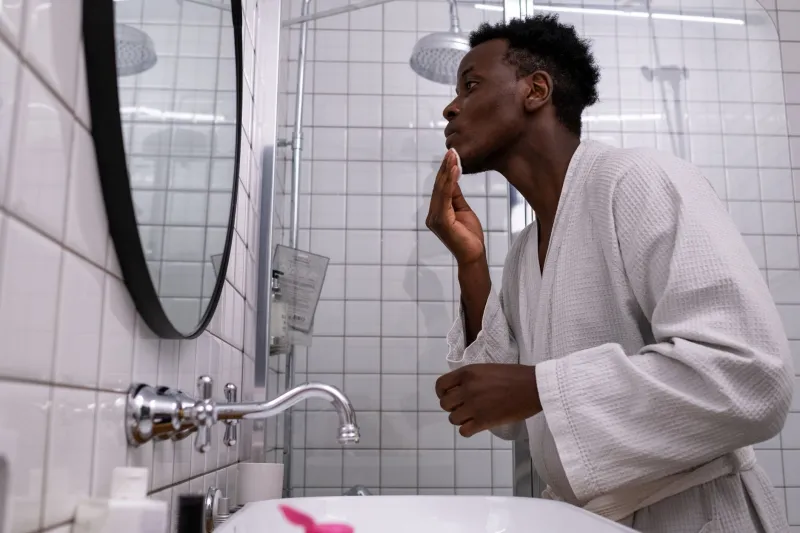
Photo: frank mckenna frankiefoto, CC0, via Wikimedia Commons
For many people, the first clump of hair discovered in the shower drain feels like a private catastrophe. It is not dramatic to say so. Hair is deeply intertwined with identity, attractiveness, and cultural belonging in American society. Yet despite how common hair loss is — affecting an estimated 80 million men and women in the United States — the emotional distress it causes remains one of the least openly discussed health experiences in the country.
At PropeciaRx, we believe that honest conversations about the full impact of hair loss are long overdue. This article is an attempt to start one.
The Numbers Behind the Emotional Toll
Clinical research has consistently demonstrated that androgenetic alopecia — the most prevalent form of hair loss — carries a measurable psychological burden. Studies published in peer-reviewed dermatology journals have found that individuals experiencing significant hair thinning report elevated rates of anxiety, depression, and diminished quality of life compared to those without the condition.
A notable survey conducted by the American Hair Loss Association found that over 40 percent of women who experienced hair loss reported having marital difficulties as a direct consequence. Among men, the figures are similarly striking: research from the British Journal of Dermatology found that men with early-onset androgenetic alopecia scored significantly lower on self-esteem assessments than age-matched peers with a full head of hair.
These are not trivial statistics. They represent real people navigating real pain — often in silence.
Why We Don't Talk About It
The cultural messaging around hair loss is, frankly, contradictory. On one hand, public figures who shave their heads are celebrated for their confidence. On the other, the multi-billion-dollar hair restoration industry exists precisely because that confidence is difficult to manufacture when the choice is not yours to make.
For many patients, the shame associated with hair loss stems from a perceived loss of control. Youth, vitality, and attractiveness are qualities our culture prizes enormously, and thinning hair can feel like a visible signal that those qualities are slipping away. Men in their twenties and thirties, in particular, often describe a sense of premature aging that disconnects them from their peers. Women — who face the added pressure of beauty standards that treat hair as central to femininity — frequently report feeling invisible or "less than" in social and professional settings.
Therapists who work with dermatology patients note that clients rarely initiate conversations about hair loss directly. Instead, the topic surfaces gradually, embedded in broader discussions about confidence, dating anxiety, or workplace insecurity. "It's one of those things people feel embarrassed to name," one licensed clinical social worker noted in an interview with a leading dermatology publication. "As if grieving your hair somehow isn't legitimate enough."
It is legitimate. Completely.
The Workplace and Relationship Dimensions
The professional implications of hair loss deserve particular attention. Research has shown that appearance-based bias — however unconscious — can influence hiring decisions, salary negotiations, and perceptions of authority. In high-stakes industries where first impressions carry weight, individuals experiencing visible thinning may find themselves contending with an additional layer of anxiety that their peers simply do not face.
In romantic relationships, the impact can be equally significant. Patients frequently describe withdrawing from intimacy, avoiding situations where their hair loss might be noticed, or delaying dating altogether until they feel more confident about their appearance. This avoidance behavior, if left unaddressed, can compound feelings of isolation and reinforce a cycle of low self-worth.
It is worth noting that these responses are not signs of vanity. They are natural psychological reactions to a change that feels threatening to one's sense of self.
Early Treatment as a Mental Wellness Strategy
One of the most important reframes we can offer at PropeciaRx is this: seeking treatment for hair loss is not a superficial act. It is a proactive investment in your mental and emotional well-being.
FDA-approved medications such as finasteride have demonstrated effectiveness in slowing and, in many cases, reversing hair loss when initiated early. The psychological benefit of feeling that you are taking action — that you are not simply watching helplessly as the situation progresses — is clinically meaningful in its own right. Dermatologists who specialize in hair restoration consistently observe that patients who begin treatment early report higher levels of confidence and lower levels of treatment-related anxiety than those who wait until loss is more advanced.
The connection between perceived control and mental health outcomes is well established in psychological literature. Doing something about the condition, rather than enduring it passively, shifts the internal narrative from one of helplessness to one of agency.
Practical Steps for Addressing Both the Physical and Emotional Aspects
If you are experiencing hair loss and finding that it is affecting your mental health, the following approaches may prove valuable:
Consult a healthcare provider early. The sooner you seek a professional evaluation, the more treatment options are available to you. Telehealth platforms, including services like PropeciaRx, make it easier than ever to access discreet consultations and, where appropriate, prescription treatments without the added anxiety of an in-person clinic visit.
Consider speaking with a therapist. A licensed mental health professional can help you process the emotional dimensions of hair loss without judgment. Cognitive behavioral therapy, in particular, has shown effectiveness in addressing appearance-related anxiety.
Connect with others who understand. Online communities and support groups for individuals experiencing alopecia can reduce feelings of isolation. Knowing that millions of Americans share your experience does not eliminate the struggle, but it can meaningfully reduce the loneliness of it.
Separate your worth from your appearance. This is easier said than done, but working — with professional support if needed — to decouple your self-concept from your hairline is one of the most durable investments you can make in your long-term well-being.
You Are Not Alone in This
Hair loss is common. The emotional response to it is human. And the decision to address it — medically, psychologically, or both — is one of the most self-respecting choices you can make.
At PropeciaRx, our mission is not simply to deliver medications to your door. It is to support the whole person navigating a condition that touches far more than the surface. If you are ready to explore your treatment options, our platform offers discreet, physician-reviewed access to clinically proven hair loss therapies — on your terms, at your pace.
Taking the first step is not a sign of vanity. It is a sign of strength.