Attraction, Disclosure, and Confidence: What the Research Actually Reveals About Hair Loss and Dating

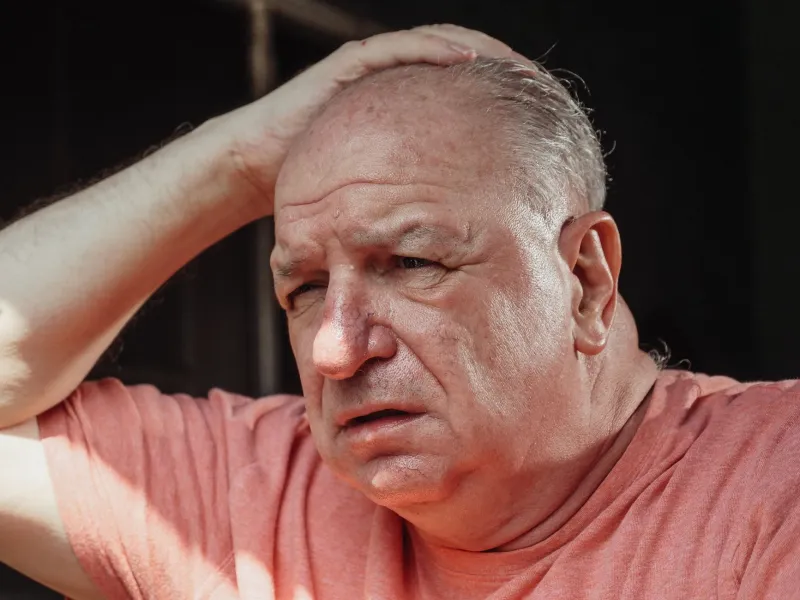
For men navigating hair loss while simultaneously navigating the dating landscape, the two experiences can feel inextricably linked. The fear that thinning hair diminishes attractiveness is common, persistent, and—according to a growing body of psychological research—frequently overstated. Understanding what the evidence actually shows, rather than what anxiety suggests, can meaningfully shift both behavior and outcomes.
What Studies Say About Physical Attraction and Hair Loss
The cultural narrative around male baldness and attractiveness is contradictory. On one hand, popular media has long associated a full head of hair with youth and vitality. On the other, a substantial body of research complicates this picture considerably.
A widely cited study published in Social Psychological and Personality Science found that men with shaved heads were perceived by study participants as more dominant, confident, and physically imposing than men with thinning hair—suggesting that the manner in which a man relates to his hair loss may matter more than the hair loss itself. Separate research from the University of Pennsylvania found that men with fully shaved heads were rated as more masculine and, in some assessments, taller and stronger than their counterparts with visible thinning.
These findings do not argue that hair loss is inconsequential to attraction. Rather, they suggest that visible discomfort with hair loss—the compensatory comb-overs, the avoidance behaviors, the self-conscious posturing—may carry more relational cost than the physical reality of thinning hair. Confidence, or its absence, is legible to romantic partners in ways that scalp coverage is not.
The Self-Perception Gap: Where Anxiety Diverges From Reality
Psychologists use the term "self-perception gap" to describe the distance between how individuals believe they appear to others and how they actually appear. For men experiencing hair loss, this gap tends to be pronounced and systematically negative.
In clinical interviews and survey data, men with androgenetic alopecia consistently rate their own attractiveness lower than external raters do when evaluating photographs of the same individuals. This discrepancy is not trivial. When a man believes he is significantly less attractive than he is, he behaves accordingly—avoiding social situations, projecting insecurity, and interpreting neutral feedback from partners as confirmation of his fears. These behavioral consequences of the self-perception gap can produce the relational difficulties that the man attributes to his hair loss, when the actual mechanism is psychological rather than physical.
This is not a dismissal of the real distress that hair loss causes. Research consistently documents elevated rates of anxiety and reduced quality of life among men with significant androgenetic alopecia. It is, however, a meaningful distinction: the problem is often as much cognitive as cosmetic, and interventions that address both dimensions tend to produce better outcomes.
Proactive Treatment as a Confidence Strategy
For men who choose to pursue hair loss treatment, one of the most consistently reported benefits in patient literature is not regrowth itself—it is the restoration of a sense of agency. Knowing that one is taking an evidence-based, clinician-supervised step toward managing a progressive condition produces a psychological shift that often precedes any visible physical change.
This matters in the dating context because confidence is not solely dependent on physical outcomes. Men who initiate treatment early—before hair loss becomes visually significant—frequently report reduced preoccupation with the condition and greater ease in social and romantic settings. The treatment becomes, in part, a mechanism for interrupting the anxiety cycle rather than simply a cosmetic intervention.
At PropeciaRx, we hear this frequently from patients: the decision to seek legitimate, physician-supervised treatment changes how they carry themselves before the mirror reflects any change. That psychological dividend is real, and it compounds over time.
The Practical Question of Disclosure
For men actively pursuing hair loss treatment, a practical question arises in new relationships: when, and whether, to disclose that you are taking medication for androgenetic alopecia.
The short answer, supported by relationship research, is that early-stage dating rarely requires this disclosure. Hair loss treatment is a personal health decision, and the same norms that govern disclosure of other health-related choices apply here. A man taking a daily statin for cholesterol management does not typically introduce this information on a first date; neither does a man taking finasteride.
As relationships develop and intimacy deepens, disclosure becomes more natural and appropriate—particularly if a partner is likely to encounter the medication or notice behavioral patterns associated with treatment monitoring. Research on relationship transparency consistently finds that partners respond more positively to proactive, confident disclosure than to information that surfaces accidentally or appears to have been concealed.
When disclosure does occur, framing matters. Presenting hair loss treatment as a proactive health decision—which it is—carries a meaningfully different relational valence than presenting it as a response to personal insecurity. The former signals self-awareness and agency; the latter invites the partner to share the anxiety.
What Partners Actually Report
Survey data on partner preferences regarding male hair loss consistently reveals a gap between what men fear and what partners prioritize. In multiple studies examining relationship satisfaction and physical attraction criteria, hair density ranked substantially lower among partner-reported priorities than among male self-assessments of what partners care about.
Grooming, hygiene, physical fitness, and—most consistently—confidence and emotional availability rank considerably higher in partner-reported attraction criteria than hair coverage. This does not render hair loss irrelevant to all partners in all contexts. It does suggest that the weight men assign to this variable in romantic assessment is systematically inflated relative to the weight their partners assign to it.
Addressing Both Dimensions
The most effective approach to hair loss in the dating context is one that addresses both the physical and psychological components. This means pursuing legitimate, clinician-supervised treatment through a service equipped to provide verified medications and professional guidance—not unverified products purchased without oversight. It also means engaging, where necessary, with the cognitive patterns that transform a manageable physical change into a source of persistent social anxiety.
Hair loss is a common, well-understood medical condition with effective, accessible treatments. Treating it as such—rather than as a defining personal deficit—is both the psychologically healthier stance and, as the research suggests, the more attractive one.